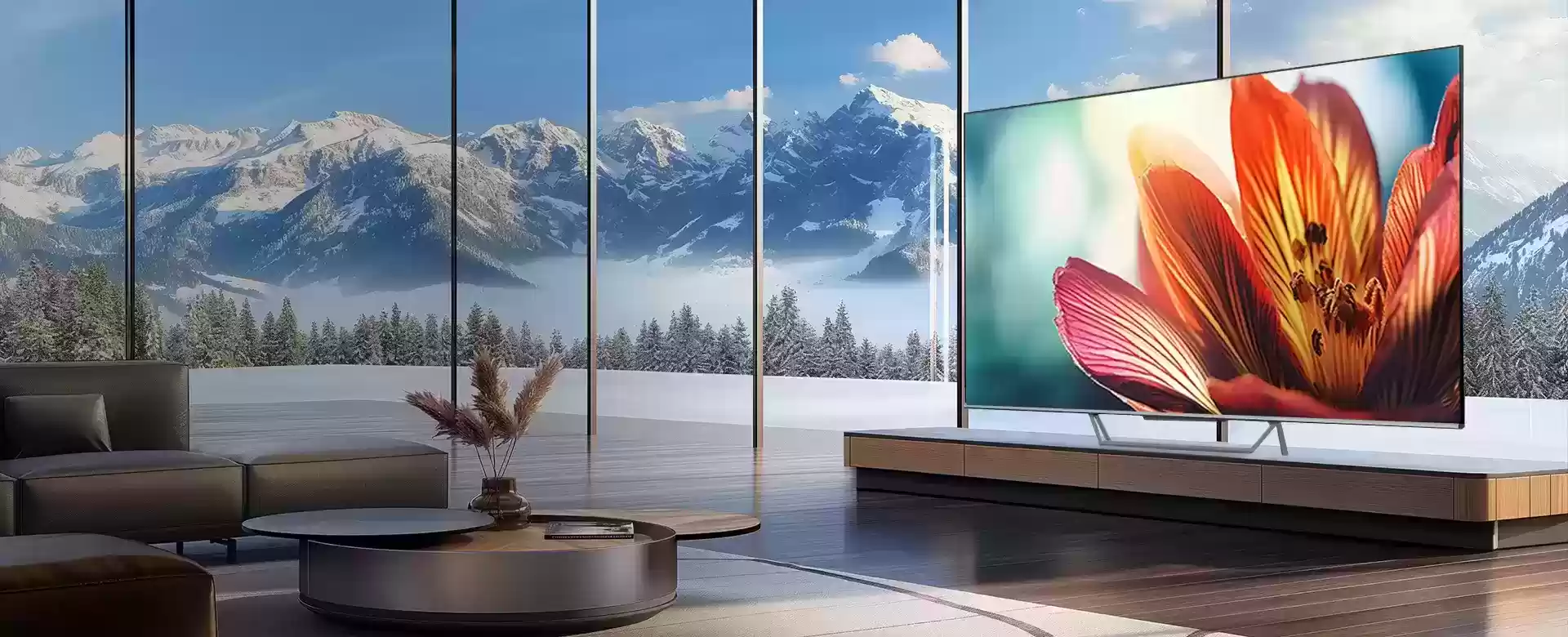
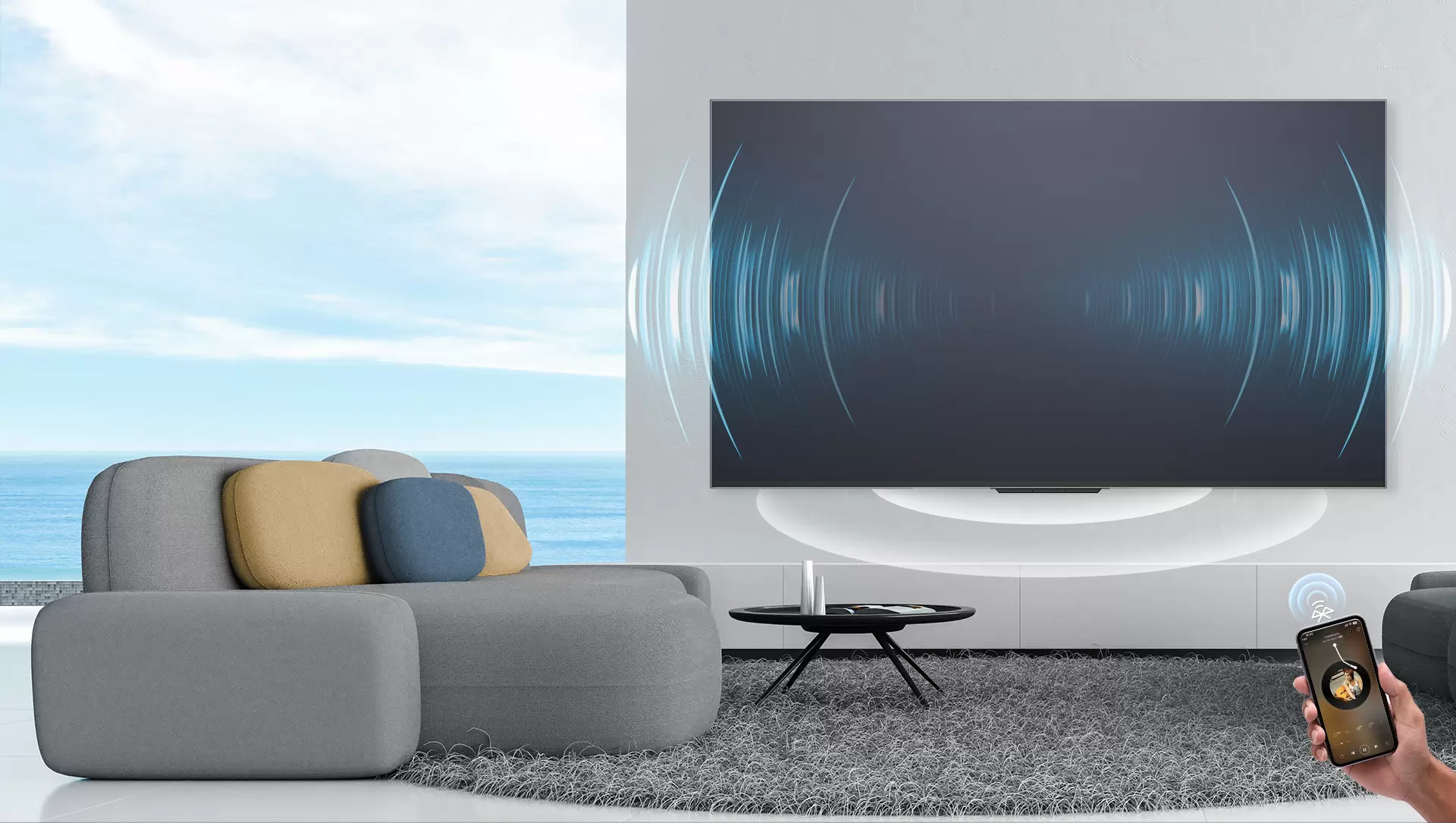
If you’re shopping for a new 4K TV, chances are you’ve narrowed it down to three “premium” display families: QLED, OLED, and Mini LED. They all look great in marketing photos, and they can all deliver a sharp 4K picture. But in real homes—bright living rooms, mixed streaming quality, kids changing settings, sports on weekends, gaming at night—these three technologies behave very differently.
This article isn’t about brand hype. It’s about matching the panel type to your room and habits so you don’t end up thinking, “This looked better in the store.”
First, a simple translation of the tech
QLED (Quantum Dot LED)
QLED is an LED-backlit TV with an extra color layer (quantum dots) that helps produce richer color at higher brightness. In everyday viewing, QLED’s biggest strength is often color that stays vibrant in a bright room.
OLED (Organic LED)
OLED pixels emit their own light. That means each pixel can turn off completely, producing true blacks and strong contrast in dark scenes. It’s famous for “cinema-like” viewing in controlled lighting.
Mini LED
Mini LED is still an LED-backlit TV, but with a backlight made up of many more, smaller LEDs. The goal is better backlight control (often with more dimming zones), which can improve contrast while keeping very high brightness.
Quick takeaway:
OLED wins on blacks and dark-room contrast.
Mini LED aims for a strong balance of brightness + contrast.
QLED is often the “bright-room color + everyday practicality” choice.
The most important factor: your room lighting
If your room is bright during the day
If sunlight hits the screen or you watch with lamps on, your TV needs to fight two things: reflections and washed-out picture.
QLED usually performs well here because it can stay colorful at higher brightness.
Mini LED can also be excellent in bright rooms, especially if it manages reflections well.
OLED can still look good, but bright rooms may reduce the “wow” factor of perfect blacks because ambient light lifts everything visually.
Practical rule: If you mostly watch in daylight, prioritize brightness + reflection handling over black-level perfection.
If your room is mostly dark at night
This is where OLED shines.
OLED: dark scenes look deep and clean, with convincing contrast.
Mini LED: can look excellent, but you may notice “haloing” (a glow around bright objects on dark backgrounds) depending on the content and settings.
QLED: can still look great, but contrast depends heavily on backlight control and picture tuning.
Practical rule: If your main “TV time” is at night and you love movies, OLED’s contrast advantage is easiest to appreciate.
Contrast and black levels: what you’ll actually notice
OLED: true blacks, strong separation
OLED’s pixels can turn off, so dark scenes can look more natural. Subtitles over black bars, night city shots, and space scenes tend to look clean.
Tradeoff: OLED isn’t automatically “better” for all content. If your streaming quality is inconsistent (compressed video, low bitrate), OLED can sometimes make artifacts more visible because the contrast is so sharp.
Mini LED: bright + strong contrast, with potential halos
Mini LED can deliver high brightness and improved backlight control. In many scenes, it can feel very punchy—especially HDR highlights—while still keeping decent dark detail.
Tradeoff: You might see haloing around bright objects against dark backgrounds (think: subtitles, stars, streetlights). Good settings can reduce it, but it’s rarely “zero.”
QLED: vibrant color, contrast depends on implementation
QLED’s contrast performance varies a lot by model, because it depends on the backlight design and dimming behavior. But for many buyers, the more immediate “upgrade feeling” is the color and brightness in normal rooms, not perfect blacks.
Color: where QLED earns its reputation
If you want colors that look lively without turning cartoonish, QLED is often a safe bet—especially in bright rooms. You’ll typically notice:
brighter, fuller reds/greens/blues in HDR content
less “fading” when the room is lit
a more energetic look for sports and general TV
Mini LED can also deliver strong color (many Mini LED TVs are also QLED/quantum dot TVs), but if you’re comparing a typical QLED vs a typical OLED in a bright living room, QLED’s color at brightness is often the easier win to see quickly.
Motion and sports: the “fast scene” reality check
For sports, motion depends on:
refresh rate (60Hz/120Hz/144Hz)
motion processing settings
source quality (broadcast vs streaming)
OLED and LED-based TVs can both do sports well if the TV supports high refresh and is tuned properly. The biggest mistake people make is leaving heavy motion smoothing on and then wondering why players look unnatural.
If sports are a priority:
Gaming: HDMI 2.1 matters more than panel type
For modern consoles and PC gaming, the panel type matters less than these features:
Then pick the panel type based on your room:
One more practical note: If your household has mixed usage (kids, sports, casual gaming, streaming), a well-rounded QLED TV with modern gaming features often avoids “special case” headaches.
Burn-in, longevity, and “how careful do I need to be?”
This is where many buyers overthink.
OLED has a reputation risk for burn-in, especially if you watch lots of static elements (news tickers, HUD-heavy games) for long periods. Many people use OLED without problems—especially with varied content—but the risk discussion is real.
QLED/Mini LED are generally considered lower stress for static content because they’re LED-backlit.
If you want a TV that you don’t have to think about—kids pausing screens, long sports scoreboards, always-on menus—QLED/Mini LED tends to feel more carefree.
Viewing angles: who sits where matters
OLED often holds image quality better when viewed from the side.
QLED/Mini LED can vary: some models handle angles well, others lose contrast or look washed out off-center.
If you have a wide sofa, open kitchen sightline, or guests watching from different positions, viewing angle performance can matter more than you expect.
A quick comparison table you can trust
| Your situation | Best fit | Why |
|---|
| Bright living room, daytime viewing | QLED / Mini LED | Better brightness and “punch” under ambient light |
| Night movie watcher, cinema vibes | OLED | True blacks and strong dark-scene contrast |
| Mixed use: sports + streaming + casual gaming | QLED / Mini LED | Practical balance + less worry with static elements |
| Wide seating angles | Often OLED | More stable contrast/color off-axis (model-dependent) |
| Competitive gaming + PC | Any with HDMI 2.1 + VRR + high refresh | Features and settings matter more than panel type |
Where a 4K QLED TV like MQE8000 makes sense
If you want an everyday TV that’s strong in a real living room—bright viewing, vibrant color, modern gaming-ready features, and smart platform convenience—then a 4K QLED TV in the MQE8000 style positioning is a straightforward match.
If you’re building your site’s internal links, you can naturally reference the product here:
4K QLED Magic Sound TV
Final decision shortcut
Choose OLED if your main priority is dark-room movies and you love deep blacks.
Choose Mini LED if you want high brightness with improved contrast control and don’t mind tuning for halos.
Choose QLED if you want vibrant color, bright-room performance, and a “no-drama” TV for mixed family use—especially when paired with modern gaming features.
Source: